
Tired of Ringing in the Ear ?


Frustrated with being told to ‘just live with the ringing in your ears’? Many patients are told that because their ears look structurally healthy, nothing can be done.
That advice often leaves out an important fact: while there is no pill that switches off the sound, the brain can be trained over time to filter it out.
With 25 years of ENT experience and REBT certification, Dr. Archana Jhawar treats tinnitus and hyperacusis at Neoalta Clinic, Vashi, combining audiological testing, ENT evaluation, TRT and structured habituation therapy ( Tinnitus Retraining Therapy (TRT), Sound therapy and CBT).
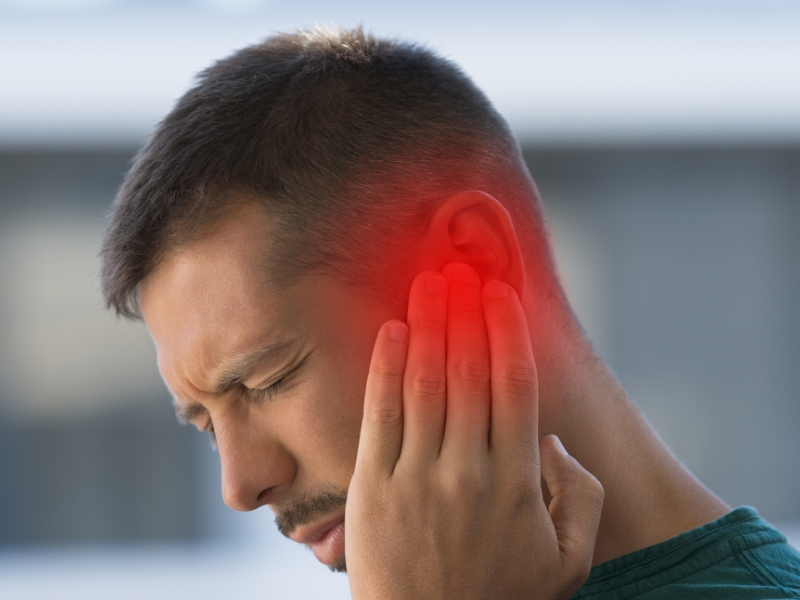
The first step in tinnitus treatment is to find out what’s causing the ringing.
Sometimes the cause can be treated. If not, the goal is to help you notice the ringing less, sleep better, concentrate better, and get back to your normal life.
Treatment may include:
If hearing loss is contributing to your tinnitus, hearing aids can make everyday sounds clearer and reduce how noticeable the ringing feels.
Some hearing aids also include built-in sound maskers.
TRT combines sound therapy with counselling to help your brain learn not to react to the ringing, a process called habituation or neuromodulation.
It gradually fades into the background, just like the hum of a fan, refrigerator, or air conditioner that you eventually stop noticing.
Silence often makes tinnitus seem louder. Sound therapy adds gentle background sound to reduce the contrast between silence and the ringing, using:
CBT and REBT help you:
Yoga for Tinnitus
Pranayama & progressive Muscle relaxation is an important aspect of yoga which deals with reducing anxiety levels in patients.
Sound desensitisation therapy gradually rebuilds your tolerance to everyday sounds and to address anxiety cycle hyperacusis creates.
Dr. Archana Jhawar holds REBT/CBT (Rational Emotive Behaviour Therapy) and Carkhuff Model Counselling certification, which is integrated into your tinnitus and hyperacusis management.
Tinnitus treatment takes time. Some people notice improvement within a few weeks, others need several months of consistent treatment.
The goal isn’t always to stop the ringing completely, but to make it far less noticeable and reduce its impact on your daily life.
If you’ve already tried medicines or other treatments without relief, don’t lose hope. A proper evaluation and a personalised treatment plan can still help most people manage their tinnitus effectively.
Managing tinnitus successfully requires a proper evaluation as the starting point.
Consult an ENT Specialist with REBT Certification for Tinnitus and Hyperacusis in Navi Mumbai.
A team of Expert ENT Doctor and Audiologist.
Tinnitus is the perception of sound, such as ringing, buzzing, humming, clicking, or hissing, inside your ears or head when no external sound is present.
It is something only you can hear and is related to the way the brain and auditory system process sound.
Hyperacusis is an increased sensitivity to everyday sounds, such as clattering utensils, traffic, or a crowded room. These sounds may feel unusually loud, uncomfortable, or even distressing.
Many people begin avoiding normal situations because of the discomfort. Hyperacusis often occurs alongside tinnitus but requires its own evaluation and management.
Hyperacusis does not resolve on its own in most cases. Many patients worsen sensitivity by over-protecting their ears.
Early evaluation helps determine the right management approach before avoidance becomes a pattern.
Tinnitus and hyperacusis can develop for many different reasons, ranging from ear and hearing conditions to problems affecting the auditory system.
Outer and Middle Ear Issues: Simple blockages like deep ear wax, a loose hair touching the eardrum, a perforated eardrum, fluid buildup, ear infections, allergies, Eustachian tube dysfunction or Otosclerosis.
Inner Ear & Nerve Changes: Natural age-related hearing shifts, nerve damage from loud noise exposure, Meniere’s disease, inner ear infections, or side effects of certain medications.
Jaw, Neck, and Stress Triggers: Deep jaw joint (TMJ) problems, neck muscle tension, or high anxiety levels which physically amplify your nervous system, making the sound feel much louder.
For a detailed info read our comprehensive blog on Causes of Tinnitus Explained.
You should see an ENT specialist if:
📍 Centrally Located in Vashi: Our ENT & Tinnitus clinic at Neoalta is centrally located in Sector 17, Vashi, and is easily accessible from both the Vashi railway station and bus depot.
Patients regularly visit from Vashi, Nerul, Belapur, Kharghar, Koparkhairane, Sanpada, and Panvel.