
Nasal Polyps: Causes, Symptoms, and Treatment by ENT Specialist in Navi Mumbai

By Dr. Archana Jhawar | ENT Specialist in Navi Mumbai (Vashi & Koparkhairne)


Kopakhairne Navi Mumbai for ENT Specialist

Do you have a blocked nose that doesn’t improve, difficulty breathing through your nose, or a reduced sense of smell?

These symptoms may be caused by nasal polyps – soft, non-cancerous growths inside the nose or sinuses.

Dr. Archana Jhawar, a senior ENT specialist with over 25 years of experience, provides accurate diagnosis and treatment, including nasal endoscopy for diagnosis and endoscopic surgery (FESS) when needed.
What is Nasal Polyps?

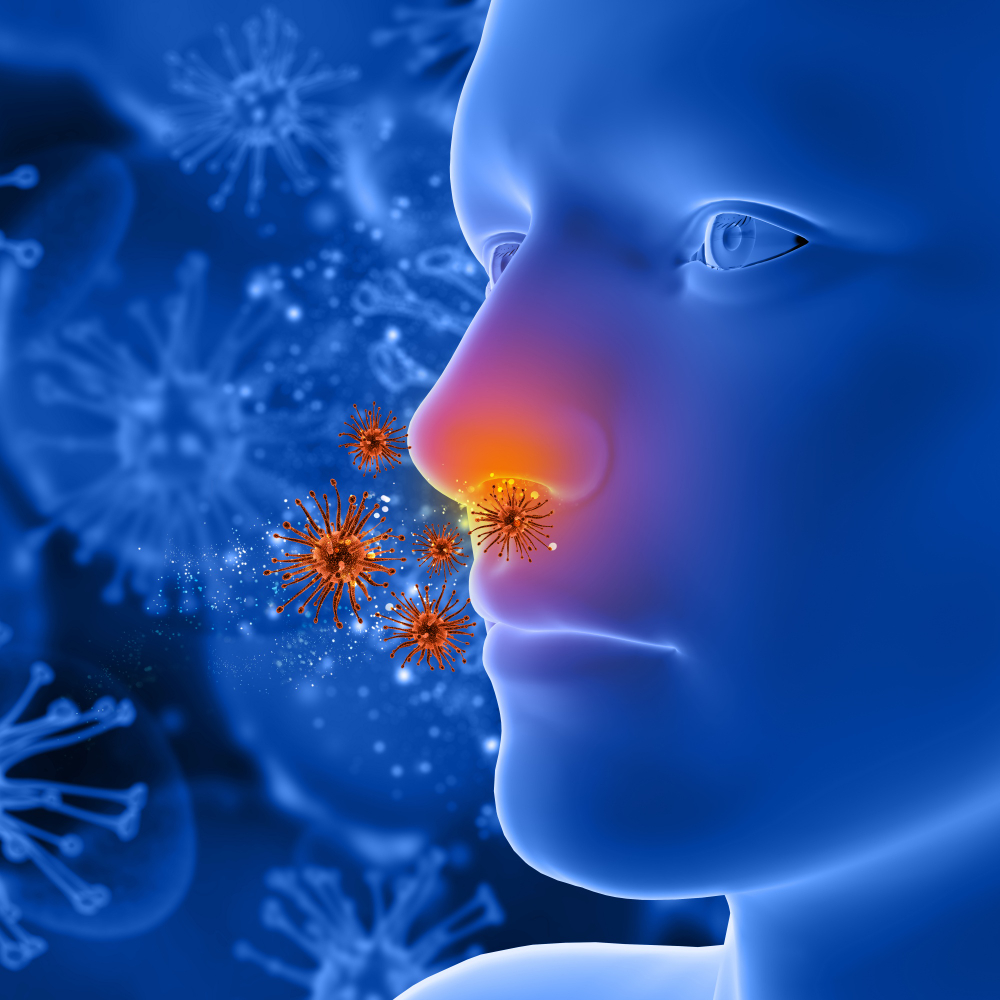
Nasal polyps are soft, benign, grape-like swellings that grow from the lining mucosa of your nose or sinuses, due to long-term inflammation, infection or allergy. 

As they grow, they can block normal airflow and sinus drainage, leading to persistent nasal blockage, reduced sense of smell, mouth breathing, snoring, and recurrent sinus infections.

How Are Nasal Polyps Different from Allergies or Sinusitis?

At our ENT clinic in Vashi, Navi Mumbai, we use the following clinical features to differentiate nasal polyps from allergic rhinitis and chronic sinusitis. However a physical nose examination is required.

FeatureAllergic RhinitisChronic SinusitisNasal Polyps
Common symptomsSneezing, itchy nose, watery dischargeFacial pain or pressure, thick nasal dischargePersistent blocked nose, reduced sense of smell
DurationOften varies with allergen exposureLasts for 12 weeks or longerOften persistent if untreated
TreatmentAllergy medicines and allergen avoidanceMedical treatment based on the causeMedical treatment; surgery may be recommended if symptoms persist despite treatment

Other Structural Issues: A persistently blocked airway can also be caused by a Deviated Nasal Septum (DNS) or turbinate hypertrophy.

Call us to Schedule a Consultation with Dr Archana Jhawar at Neoalta Clinic.

Types of Nasal Polyps

Nasal polyps are broadly classified into two main types based on where they develop. Identifying the type helps your ENT specialist understand the underlying cause and choose the most appropriate treatment.

Ethmoidal Polyps

  • Develop in the ethmoid sinuses (between the eyes)
  • Usually occur on both sides of the nose (bilateral)
  • Often multiple
  • Commonly associated with chronic sinusitis, allergies, asthma, or aspirin sensitivity

Antrochoanal Polyps

  • Develop in the maxillary sinus (behind the cheek)
  • Usually occur on one side of the nose (unilateral)
  • Typically a single polyp
  • More common in children and young adults

What Causes Nasal Polyps?

While the exact reason why some people develop nasal polyps is not fully understood, they are strongly associated with long-term inflammation of the lining of the nose and sinuses. 

Several medical conditions can increase the risk of developing nasal polyps.

Common causes and associated conditions include:

  • Allergic rhinitis ((nasal allergy): Ongoing nasal allergies that cause persistent inflammation.
  • Asthma: People with asthma are more likely to develop nasal polyps.
  • Aspirin Sensitivity (AERD): A condition in which aspirin triggers respiratory symptoms and is often associated with nasal polyps.
  • Cystic Fibrosis: A genetic condition that increases the risk of nasal polyps, especially in children.
  • Family History: Genetics may make some people more susceptible to developing nasal polyps.

Although dust, smoke, pollution, and other environmental irritants do not directly cause nasal polyps, they can worsen nasal inflammation, particularly in people with allergies or chronic sinusitis.

What Are the Symptoms of Nasal Polyps?

Small nasal polyps may not cause any symptoms. As they grow larger or become multiple, they can block the nasal passages and affect breathing, smell, and normal sinus drainage.

Common symptoms of nasal polyps include:

  • Constantly blocked nose or stuffy nose
  • Reduced or complete loss of smell (anosmia) or taste
  • Mouth breathing, especially during sleep
  • Snoring or disturbed sleep
  • Frequent sneezing, runny nose
  • Postnasal drip or repeated throat clearing
  • Headaches or heaviness around the eyes
  • Frequent sinus infections

How Are Nasal Polyps Diagnosed?

The symptoms of nasal polyps can be similar to those of allergies, chronic sinusitis, or a deviated nasal septum. 

Diagnosis of nasal polyp may include:

Medical history and symptom assessment: Your ENT specialist will discuss your symptoms, how long they have been present, previous treatments, and any history of allergies or asthma.

Nasal endoscopy: Dr. Archana Jhawar uses a thin nasal endoscope to examine the inside of the nose, displaying them live on a HD monitor. You can see and confirm the presence of nasal polyps, and assess their size and location.

The procedure is routinely done in OPD and generally well-tolerated.

CT scan of the paranasal sinuses: If required, a CT scan helps determine the extent of the polyps, assess sinus involvement, and plan further treatment or surgery.

Allergy test: Skin prick or blood IgG allergy test may be advised to manage allergy effectively.

At Neoalta Specialty Clinic in Vashi, Navi Mumbai, most patients can be evaluated during their first consultation, and further investigations such as are advised only when required.

Can Nasal Polyps Be Treated Without Surgery?

Treatment for nasal polyps usually begins with medicines to reduce inflammation, relieve symptoms and slow the growth of the polyp. However, it is a method of long-term symptom control rather than a permanent cure.

If symptoms persist despite appropriate medical treatment or the polyps continue to block the nose or sinuses, endoscopic sinus surgery (FESS) may be recommended.

Treatment options may include:

  • Nasal corticosteroid sprays: Help reduce inflammation and may shrink small nasal polyps.
  • Saline nasal irrigation: Helps clear mucus, allergens, and irritants from the nasal passages.
  • Treatment of allergies or asthma: Managing underlying conditions can help control inflammation and reduce symptoms.
  • Short courses of oral medications: In selected patients, oral corticosteroids may be prescribed to reduce severe inflammation.
  • Lifestyle advice: Reducing exposure to known allergens and irritants may help improve symptom control.

When is Surgery Recommended for Nasal polyp in Navi Mumbai

Surgery may be recommended when medical treatment does not provide adequate relief or when nasal polyps continue to significantly affect breathing, sinus drainage, or quality of life.

The goal of surgery is to remove the polyps, improve nasal airflow, and restore normal sinus drainage.

Your ENT specialist may recommend surgery if you have:

  • Continuous nasal blockage despite appropriate medical treatment
  • Recurrent sinus infections due to nasal polyps
  • Reduction or loss of smell and taste
  • Large polyps obstructing the nasal passages or sinus drainage
  • Recurrent nasal polyps despite medical treatment

If you are experiencing these progressive symptoms, an endoscopic evaluation is necessary to determine if surgical clearance is the right path forward.

To learn more about nasal polyp surgery, recovery, estimates and insurance options, visit our page on Nasal Polyp Surgery in Navi Mumbai.

If your chronic symptoms are linked to broader sinus issues, read more about our minimally invasive, no-cut techniques under Functional Endoscopic Sinus Surgery (FESS) in Navi Mumbai.

Why Choose Dr. Archana Jhawar for Nasal Polyp Treatment in Navi Mumbai?

  • 25+ years of experience in diagnosing and treating nasal polyps, chronic sinusitis, and other ENT conditions.
  • Comprehensive evaluation with nasal endoscopy and imaging when required for an accurate diagnosis.
  • Treatment plans based on your symptoms, examination findings, and response to medical treatment.
  • Advanced endoscopic sinus surgery (FESS) performed at Kokilaben Dhirubhai Ambani Hospital, Navi Mumbai, when surgery is indicated.
  • Long-term follow-up with guidance on allergy management, nasal hygiene, and prevention of recurrence.
  • Approachable Locations at Sector 17 Vashi Neoalta Speciality clinic and Kokilaben Koparkhairane.

FAQ: Nasal Polyp Treatment

Are nasal polyps cancerous, or can they become tumors?

No, nasal polyps are completely benign (non-cancerous) tissue growths. They are simply the result of long-term swelling and chronic inflammation in the lining of your nose or sinuses. However, because their physical symptoms can closely mimic other conditions, an expert ENT evaluation is important to confirm exactly what is causing your blockage.

Can long-term allergies cause nasal polyps to grow?

Yes, uncontrolled allergies are a major contributing factor for nasal polyp. While an allergy itself doesn't directly turn into a polyp, conditions like chronic allergic rhinitis keep your nasal lining in a constant state of irritation and swelling. Over time, this prolonged inflammation can trigger the tissue changes that eventually grow into nasal polyps.

If I have lost my sense of smell, will it return after polyp treatment?

In some cases, yes, your sense of smell and taste can significantly improve or return once the underlying inflammation is treated. If the loss of smell is caused by smaller polyps, medical treatment or surgical clearance can reduce the swelling enough to allow odor molecules to reach your olfactory nerves again.

Why do nasal polyps keep coming back, and how can I prevent them?

Nasal polyps can occasionally recur because they are due to long-term underlying conditions like chronic sinus infections, or environmental allergies. To lower the risk of the swelling returning, long-term care is essential. This includes washing your nasal passages daily with a saline rinse to clear out dust, managing your allergies, and consistently using your prescribed nasal sprays.

Do steroid nasal sprays cause long-term body side effects?

When used as prescribed, intranasal corticosteroid sprays are generally safe because very little of the medicine is absorbed into the bloodstream. Some people may experience mild local side effects such as nasal dryness, irritation, or occasional nosebleeds.

Where can I get advanced treatment for nasal polyps in Navi Mumbai?

Dr. Archana Jhawar provides diagnosis and treatment for nasal polyps at Neoalta Specialty Clinic, Vashi, and performs endoscopic nasal polyp surgery (FESS) at Kokilaben Dhirubhai Ambani Hospital, Koparkhairne, Navi Mumbai. Treatment may include medical therapy, nasal endoscopy, or surgery when indicated.

ENT Clinic Near You – Navi Mumbai for Polyp Treatment

Thank You!

Your appointment has been booked. We will get back to you soon.

Book Appointment