
Why Vertigo Keeps Coming Back and How to Stop It?

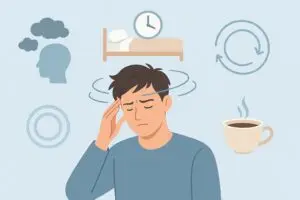
Patient experiencing recurring vertigo, dizziness illustration for ENT

Vertigo can be unsettling, especially when it keeps coming back after you thought it had gone. Many patients ask me in the clinic, “Why do I keep getting vertigo again and again?”

Vertigo itself is not a disease. It’s a symptom that comes from problems in the inner ear or the brain. Vertigo returns, when an underlying condition such as BPPV, Ménière’s disease, or vestibular migraine becomes active again.

You can read more about Causes of vertigo in this blog : vertigo causes and treatment

As an ENT and vertigo specialist, I reassure my patients that recurrence is common, but it doesn’t mean it can’t be treated.  However, it is important to find the root cause and plan a long-term strategy for vertigo relief.

This blog explains why vertigo keeps coming back, the common causes, and what you can do to stop it.

Table of contents

Common Causes of Recurring Vertigo

To understand why vertigo keeps coming back, it helps to know its most common causes.

Each condition affects the balance system differently, but all can lead to repeated dizzy spells if not treated properly.

Therefore, if you know the cause, it can help you reduce future episodes and also manage symptoms effectively.

illustration, causes- why does vertigo keep coming back

Here are common causes of recurring vertigo-

Benign Paroxysmal Positional Vertigo (BPPV): Inner Ear Crystals

Tiny calcium crystals (otoconia) in the inner ear can shift out of place and cause spinning vertigo sensations when your head moves.

Even after treatments like the Epley maneuver, these crystals can move again, causing new brief vertigo episodes, which is why vertigo often returns.

Read BPPV treatment

Vestibular Migraine: Brain Sensitivity

In some people, dizziness is part of migraine episodes.

The brain’s vestibular pathways may remain hyper-responsive, so triggers like stress, hormonal changes, certain foods, bright lights, or poor sleep can bring back episodes of migraine-related dizziness.

Recurrence happens when these triggers are not fully controlled or when preventive strategies are not in place.

Read Vestibular migraine symptoms and treatment

Ménière’s Disease: Fluid Imbalance in the Inner Ear

In Ménière’s disease, fluid imbalance in the inner ear (hydrops) is the probable cause of recurrent episodes of vertigo.

This happens along with tinnitus (ringing in the ear) and fluctuating hearing loss. fluid imbalance may persist or flare up due to salt intake, dehydration, or stress.
Vertigo comes back because inner ear fluid pressure builds up unpredictably.

Ménière’s Disease blog- stay tuned

Persistent Postural-Perceptual Dizziness (PPPD): Brain in Alert Mode

Sometimes, after a vertigo episode, brain stays in hyper alert mode and overreacts to motion or visual signals, leading to ongoing dizziness (PPPD) even when the original cause has settled.

Stay tuned for PPPD treatment
Lifestyle Triggers Causing Recurrent Dizziness

triggers causing dizziness-vertigo to come back again

Fatigue, Stress, dehydration, irregular sleep, skipping meals, caffeine, or alcohol can all trigger a sensitive vestibular system.

Even if the underlying condition is mild, it can cause repeated episodes of vertigo, if triggers are not managed properly.

Now let’s explore why vertigo comes back even after treatment

Why Vertigo Keeps Coming Back?

Vertigo can return even after treatment and this doesn’t mean that treatment failed.
Here’s why vertigo comes back-

  • The original condition is still active (such as BPPV, vestibular migraine, Ménière’s).
  • The balance organs in the inner ear or brain stays sensitive even after recovery.
  • Lifestyle triggers are not managed properly (Diet, sleep, posture)
  • Treatment advises or home exercises are not followed consistently.


Key Takeaway:

Vertigo comes back when the root problem like BPPV, vestibular migraine, or inner ear imbalance, is not fully resolved, or when triggers such as stress, poor sleep, or diet persist.

How to Stop Vertigo from Coming Back: Treatment & Prevention

Even after dizziness improves, many patients worry, ‘what if it comes back again and how to stop it?

Recurring vertigo treatment options illustration Sometimes dizzy spells can recur, but with the right treatment and preventive strategies, the chances can be reduced.

In my vertigo clinic, I work with each patient to treat the root cause, manage things that trigger it, and teach vestibular rehabilitation exercises to keep balance steady.  

The right approach to prevent recurring vertigo depends on your specific condition.

Quick Overview: Why A Tailored Approach?

Right treatment and prevention of vertigo depends on the type of vertigo you have.

  • Accurate Diagnosis is essential: not all vertigo is the same
  • Each condition has a specific treatment plan
  • BPPV: Calcium particles repositioning maneuvers; repeat sessions if needed.
  • Vestibular Migraine: Lifestyle changes, trigger management, and preventive migraine medicines.
  • Ménière’s Disease: Low-salt diet, Menière’s medications, and in some cases, surgical procedures.
  • PPPD: CBT, Vestibular rehabilitation Therapy and Anxiety medicines (SSRI & SNRI)

Here are details about how to stop vertigo from coming back-

Accurate Diagnosis for Proper Treatment of Vertigo

Correct diagnosis is the first step in understanding why vertigo keeps coming back and in guiding treatment or prevention.

BPPV, vestibular migraine, Ménière’s disease, and PPPD can look similar but require different treatments.

Proper evaluation by an ENT specialist or an Oto-neurologist ensures the root cause is treated, not just symptoms.

BPPV (Benign Paroxysmal Positional Vertigo) Recurrence Prevention

CRP or canalith repositioning maneuvers (such as Epley) reset tiny calcium crystals in the inner ear that causes BPPV.

BPPV can come back even after successful treatment which is why some patients need repeat sessions. Vestibular rehabilitation exercises help stabilize balance and reduce recurrences.

Vestibular Migraine Treatment & Recurrence Prevention

Key to vestibular migraine treatment and prevention is trigger control and lifestyle adjustments, such as Stress management, regular sleep, hormone balance, and avoiding dietary triggers (like caffeine, cheese, alcohol).

Migraine-preventive medications can make migraine vertigo attacks less frequent and less intense

Ménière’s Disease Treatment & Recurrence Prevention 

Managing inner ear fluid is crucial for Ménière’s disease management.

A low-salt diet, and medicines prescribed by your ENT such as diuretics are the main strategies to reduce Ménière’s attacks.

In more resistant cases, surgical procedures can help.

PPPD (Persistent Postural-Perceptual Dizziness) Treatment 

After an initial vertigo episode, the brain may stay in alert mode, overreacting to motion or visual cues.

Treatment of PPPD is vestibular rehab, stress management and CBT or REBT to retrain the brain and ease chronic dizziness.

Regular Follow-Ups with Vertigo Specialist

Even when symptoms settle, periodic reviews with your ENT or oto-neurologist are important.

Lifestyle & Trigger Management to Prevent Recurrence 

Simple everyday habits can make a difference and help prevent relapses-

  • Drink enough water throughout the day
  • Sleep and wake up on time
    eat your meals regularly, don’t skip them
  • Cut Down on alcohol and caffeine
    Learn to relax with yoga , slow breathing or mindfulness
  • Keep a small diary of your symptoms and what might have triggered them.

Supportive Nutrients and Supplements in Dizziness 

Sometimes, vertigo keeps coming back because of low levels of certain vitamins and nutrients in your body.

Few medical researchers have confirmed that correcting these by nutritional supplements help reducing dizzy spells.

Vitamin D – Low vit D is linked to repeat episodes of BPPV. Correcting it may lower the risk.
B-Complex Vitamins (B1, B6, B12) – These vitamins help your nerve and brain pathways be healthy so balance signals work properly.
Magnesium and CoQ10 – Magnesium and enzyme CoQ10 have been studied for migraine prevention and may help reduce vestibular migraine attacks.

Note: These vitamins and nutrients are not cures by themselves but support your balance system if combined with proper treatment of your specific vertigo or dizziness.

Always check with your doctor before starting supplements.

How CBT helps with vertigo? Cognitive Behaviour Therapies

Vertigo often causes anxiety, which in turn worsens symptoms.

CBT (Cognitive Behavioural Therapy) and REBT (Rational Emotive Behavior Therapy) especially helps in PPPD, vestibular migraine, anxiety induced dizziness, and chronic dizziness/vertigo.

CBT helps in dizziness treatment and recurrence prevention by-

  • Retraining how your brain responds to dizziness.
  • Reducing fear of recurrence.
  • Building resilience and confidence.
  • Reduces avoidance behaviors
  • Retrains attention
  • Slow exposure to visual and motion


Quick Takeaway for Patients ✅

  • Follow your treatment plan and vestibular exercises consistently
  • Track symptoms and triggers in a diary
  • Follow healthy daily habits – drink enough water, take balanced meals, get adequate sleep
  • Don’t skip follow-ups with your ENT or Vertigo specialist

These simple, consistent steps greatly reduce the chance of vertigo returning.

When to See an ENT Specialist or vertigo Specialist?

You should see an ENT or vertigo specialist if :

  • Dizziness spells are frequent, severe, or getting worse
  • You notice hearing loss, ringing in the ear (Tinnitus), vomiting or imbalance
  • Home remedies or basic treatments haven’t helped
  • Evaluation by an ENT with balance tests such as Videonystagmography (VNG) or Posturography can identify the root cause and guide a treatment plan tailored to your condition.

Read vertigo treatment by ENT or vertigo specialist (pillar post link

FAQ Why Vertigo Keeps Coming Back &

How to Stop It?

Yes, vertigo can come back. Condition like vestibular migraine, BPPV or Ménière’s may flare up again. especially if consistent treatment is not followed or if triggers are not managed.


You can start with an ENT specialist or oto0neurologist. They can diagnose and treat different causes of recurring vertigo or dizziness and refer to  neurologist if required.

Best way to prevent vertigo recurrence is to follow the treatment , control triggers and practice vestibular rehabilitation exercises. Regular follow up with an ENT specialist is important.
.

Some nutrients, like Vitamin D, B vitamins (B1, B6, B12), magnesium, and CoQ10 support nerve and balance health. They are not a replacement for medical treatment but can complement it. Always check with your doctor before starting supplements

Seek help if dizziness is severe, comes with hearing loss, tinnitus, imbalance, vomiting, or doesn’t improve with home care.

Yes. CBT and REBT are helpful specially in PPPD, Vestibular migraine or chronic dizziness. They retrain and rewire brain’s response and also help reduce anxiety

The common causes of recurrent vertigo are BPPV, vestibular migraine, Ménière’s disease, and PPPD. Vertigo can also keep coming back due to lifestyle triggers such as stress, poor sleep, or dehydration.

Dr. Archana Jhawar vertigo specialist, provides evaluation and treatment of recurrent vertigo, at Neoalta ENT Clinic, Vashi and Kokilaben Dhirubhai Ambani Hospital, Koparkhairane, Navi Mumbai, for both adults and child

Living with Recurring Vertigo

Even if vertigo comes back from time to time, it doesn’t have to control your life. With the right diagnosis and a structured treatment plan, most patients regain balance.

Regular follow-ups, consistent vestibular exercises, trigger management, and healthy lifestyle habits are the key to long term relief from recurrent vertigo. 

If vertigo keeps coming back despite home care, consult an ENT or vertigo specialist for a proper diagnosis and long-term relief plan.”

About Me

Hi, I’m Dr. Archana Jhawar, an ENT specialist with over 24 years of experience. I specialize in tinnitus treatment, vertigo , ear care, and ear surgeries, practicing at Neoalta Clinic, Vashi, and Kokilaben Dhirubhai Ambani Hospital in Navi Mumbai. I’ve trained in vertigo management and Rational Emotive Behavior Therapy (REBT), combining science with compassion to offer holistic, evidence-based care. I’m passionate about writing, poetry, music, yoga, and photography.

Connect With Me
Categories
Recent Posts
Post Views: 588

Book Appointment